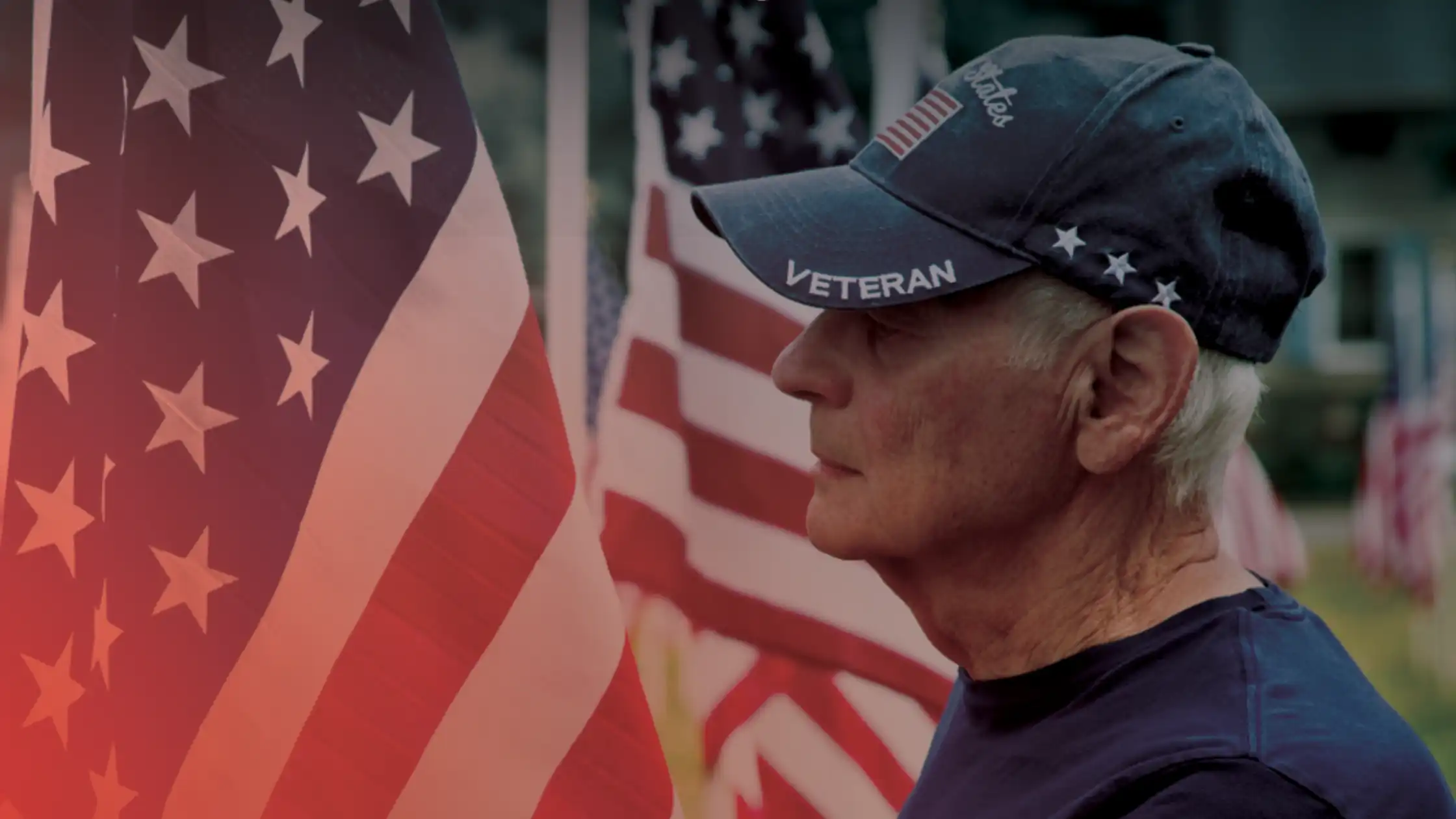

Supporting veterans, individuals who have served our country in the military, is extremely important work. Those who willingly enter conflict zones around the world on behalf of the United States often find it very difficult to return to their normal home lives. Service is a challenge not only for those who have served but also for their families and loved ones. How can we, as psychologists, provide the support that veterans and their families need in order to minimize harm and ensure that they can participate safely in community life once more?
There are several key aspects of psychology and psychological treatment practice that it’s important to take into account when supporting veterans and their families.
Trauma-Informed Treatment
Good support for veterans themselves must first and foremost recognize the importance of trauma in shaping their experiences. Active combat is a highly traumatic environment, for obvious reasons, but any type of military participation can result in trauma because of the rigid, restricted, and often punitive environments that military training must necessarily create.
This means that supporting U.S. veterans’ mental health has to start with research-proven knowledge on PTSD (post-traumatic stress disorder) and related conditions. Studies about veterans show that therapies like cognitive processing therapy (CPT) and prolonged exposure (PE) can greatly reduce PTSD symptoms, and many veterans no longer meet criteria for PTSD after treatment.[1, 2] Reviews of many studies find that trauma‑focused treatments work better than more general “talk therapy” for military‑related PTSD (Steenkamp et al., 2015).[3]
Many veterans also live with depression, substance use, and effects of traumatic brain injury at the same time, which can make treatment more complicated. Newer integrated approaches treat PTSD and substance use together, and research shows this can improve both without making either worse.[4] Studies in VA clinics also highlight the value of what’s called measurement‑based care. This means regularly using short questionnaires (like the PTSD Checklist) to track symptoms and adjust treatment.[5]
Moral Injury and Guilt
Many veterans struggle not only with fear and trauma but also with what is known in the research as moral injury. This happens when people feel they did, witnessed, or failed to prevent something that violated their own moral beliefs, for example, decisions made in combat. Research shows moral injury is different from traditional PTSD and often involves powerful feelings of guilt, shame, and betrayal rather than fear alone. Moral injury is linked with higher levels of depression, more severe PTSD, substance use, and higher suicide risk. Because of this, support cannot focus only on fear and anxiety. It must also help veterans work through questions like: “what kind of person am I now?” and “can I forgive myself?” Group programs where veterans share their stories and receive acknowledgment can be useful for addressing complex feelings of shame and guilt and can improve overall wellbeing.[6]
Partners, Children, and Families of Veterans
Veterans’ mental health deeply affects the people they live with. Studies show that PTSD in veterans is linked to more couple conflict, higher risk of intimate partner violence, parenting challenges, and more emotional or behavior problems in children. Partners of veterans with PTSD often report their own distress, including depression, anxiety, and feeling overwhelmed by caregiving.[7] Because of this, it’s important for therapists and healthcare professionals to treat the family as a whole, not just the veteran alone.
Family therapies, which put an emphasis on learning about and understanding PTSD and related mental health conditions among veterans, are important to providing support to loved ones. Education, such as explaining what PTSD is and what symptoms look like, can help loved ones understand that behaviors such as irritability or withdrawal are part of a condition and not a rejection of them. But it’s also important to provide therapeutic and community support for family members who may find themselves isolated, or even at risk, because of their close relationship to a veteran who is experiencing PTSD and related conditions following combat.[8]
A significant part of providing support for veterans and their families is also ensuring that veterans are able to reintegrate into their communities safely and in ways that feel meaningful. Following service, veterans may find it difficult to connect with traditional working life, which can become a burden on family members who may end up supporting veterans who have returned financially and emotionally in the absence of work-related income or social life.
In this respect, peer support becomes a key resource. Studies within VA show that trained peer specialists, or veterans who have their own lived experience of mental health challenges, can increase engagement in care, improve hope and recovery attitudes, and boost satisfaction with services. Peer‑led groups can reduce isolation, normalize struggles, and make seeking help seem more acceptable. Family‑oriented peer and multi‑family programs can also reduce caregiver burden and improve coping.[9]
Access to Care and Cultural Understanding
Many veterans and their families never get the mental health support they need. Research shows that a large number of veterans with serious symptoms do not seek care, often because of stigma, fear of being seen as “weak,” worries about career impact, and practical barriers such as distance or scheduling. Military culture, which emphasizes toughness, self‑reliance, and loyalty, can make it especially hard to ask for help.[10]
As American citizens, but also as caring human beings, we have a responsibility and a duty of care toward those who have returned from military service and are living in society as veterans. Understanding the aspects of psychology and psychological care that can help us provide support for veterans, and also support their loved ones and families, is an important tool in ensuring that those who have served and those around them can lead safe, happy, and meaningful lives back home.
Sources:
[1] Monson, C. M., Fredman, S. J., Macdonald, A., Pukay-Martin, N. D., Resick, P. A., & Schnurr, P. P. (2012). Effect of cognitive-behavioral couple therapy for PTSD: A randomized controlled trial. JAMA, 308(7), 700–709.
[2] Resick, P. A., Monson, C. M., & Chard, K. M. (2015). Cognitive processing therapy for PTSD: A comprehensive manual. Guilford Press.
[3] Steenkamp, M. M., Litz, B. T., Hoge, C. W., & Marmar, C. R. (2015). Psychotherapy for military-related PTSD: A review of randomized clinical trials. JAMA, 314(5), 489–500.
[4] Back, S. E., Killeen, T. K., Badour, C. L., Flanagan, J. C., Allan, N. P., & Brady, K. T. (2019). Concurrent treatment of PTSD and substance use disorders using prolonged exposure (COPE): A randomized clinical trial in military veterans. Addiction, 114(9), 1637–1645.
[5] Fortney, J. C., Unützer, J., Wrenn, G., Pyne, J. M., Smith, G. R., Schoenbaum, M., & Harbin, H. T. (2017). A tipping point for measurement-based care. Psychiatric Services, 68(2), 179–188.
[6] Litz, B. T., Stein, N., Delaney, E., Lebowitz, L., Nash, W. P., Silva, C., & Maguen, S. (2009). Moral injury and moral repair in war veterans: A preliminary model and intervention strategy. Clinical Psychology Review, 29(8), 695–706.
[7] Lambert, J. E., Engh, R., Hasbun, A., & Holzer, J. (2012). Impact of posttraumatic stress disorder on the relationship quality and psychological distress of intimate partners: A meta-analytic review. Journal of Family Psychology, 26(5), 729–737.
[8] Sayers, S. L. (2011). Family reintegration difficulties and couples therapy for military veterans and their spouses. Cognitive and Behavioral Practice, 18(1), 108–119.
[9] Chinman, M., McCarthy, S., Mitchell-Miland, C., Daniels, K., Youk, A., Edelen, M., … Young, A. S. (2014). Early stages of development of a peer specialist fidelity measure. Psychiatric Rehabilitation Journal, 37(2), 111–116.
[10] Hoge, C. W., Castro, C. A., Messer, S. C., McGurk, D., Cotting, D. I., & Koffman, R. L. (2004). Combat duty in Iraq and Afghanistan, mental health problems, and barriers to care. New England Journal of Medicine, 351(1), 13–22.